| Log In

Conducting Usability Testing: The Key to Building User-Centered Experiences

What is Usability Testing?

At its core, usability testing is the process of evaluating a product or service by testing it on real users. It focuses on understanding how actual users interact with your design and identifying pain points that could hinder their experience. Whether you’re testing a website, app, or software, usability testing helps uncover issues that would otherwise remain hidden until after launch, when it’s often too late—or too costly—to fix.
Why Usability Testing Matters

User research is a critical part of the design process, but it often relies on assumptions and theoretical knowledge about the user. Usability testing, on the other hand, shows you how users behave in real-time scenarios. Here’s why it’s essential:
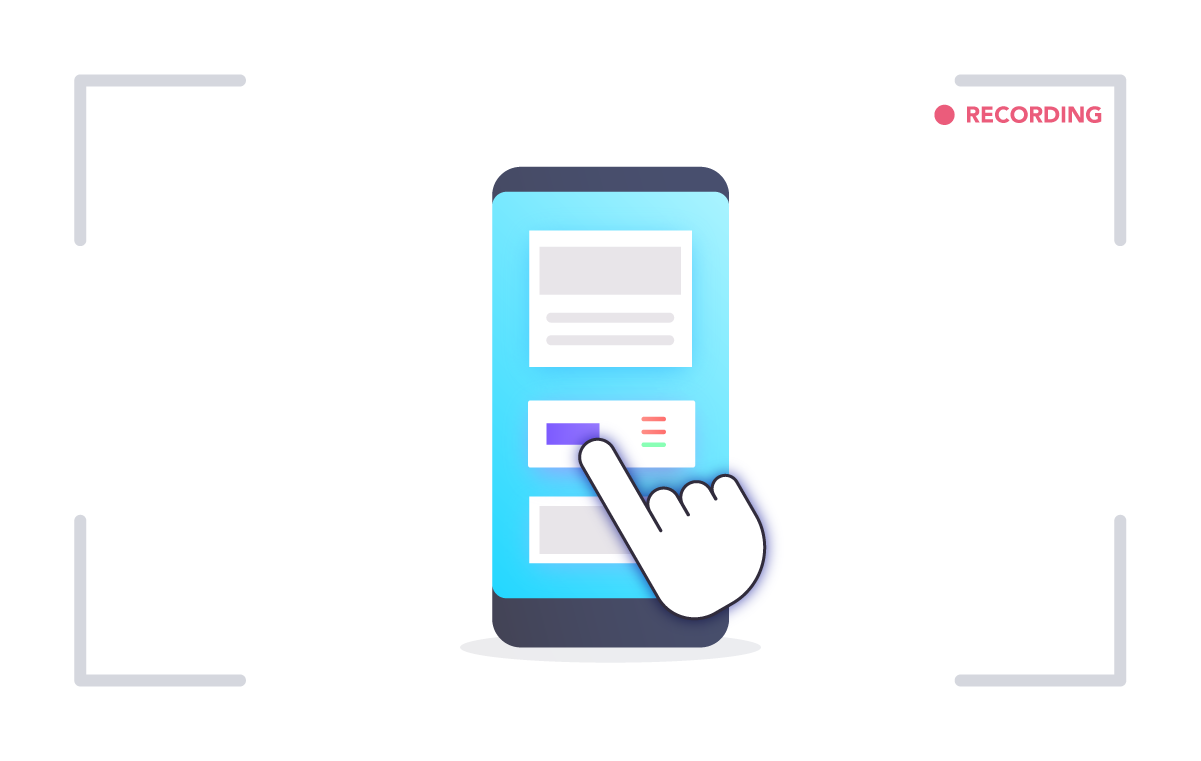
  • Validates Design Choices: No matter how user-friendly you think your design is, real users may think differently. Usability testing helps validate your design decisions by providing concrete feedback.
  • Reduces Costly Errors: Catching usability issues early in the design process can save you time and money down the road, preventing costly post-launch fixes.
  • Improves User Satisfaction: A well-designed product that is easy to use leads to happier users, which in turn drives higher user retention, conversion rates, and engagement.

Types of Usability Testing

There are several approaches to usability testing, each serving different goals and scenarios. Here are some of the most common:
1.Moderated vs. Unmoderated Testing:

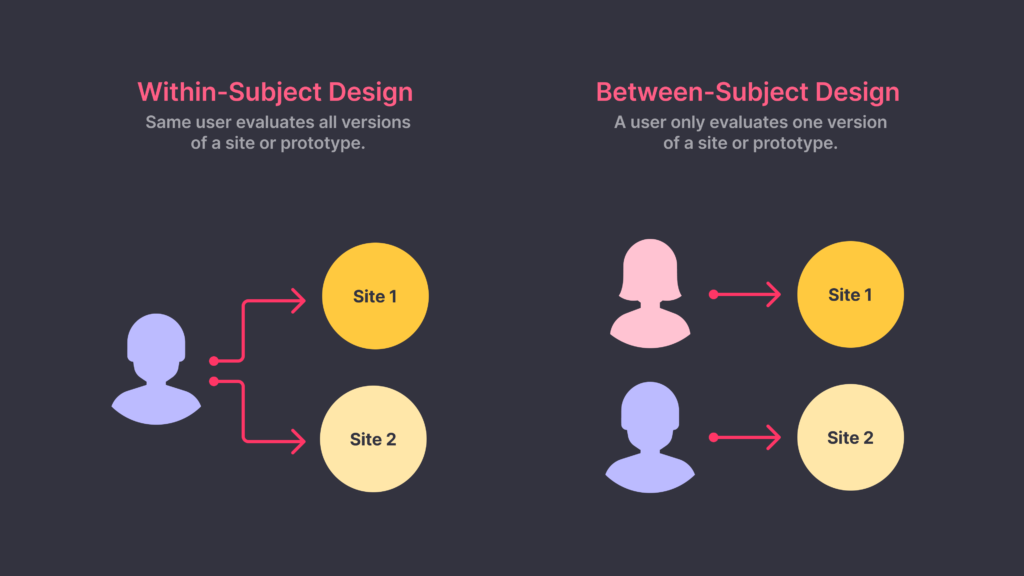
  • Moderated testing involves a facilitator guiding the user through tasks and asking questions during the session. It allows for deeper insights and real-time feedback.
  • Unmoderated testing, on the other hand, allows users to complete tasks on their own without a facilitator present, often through an online tool, providing a more natural user experience

2.Remote vs. In-Person Testing:

  • Remote testing enables users to test your product from the comfort of their own environment, providing insights into how they interact with your design in real-world settings.
  • In-person testing allows the facilitator to observe subtle user behaviors, such as facial expressions and body language, providing more qualitative feedback.

3.Qualitative vs. Quantitative Testing:

  • Qualitative testing focuses on observing user behavior and identifying pain points through open-ended feedback.
  • Quantitative testing collects measurable data, such as task completion rates and error rates, to provide actionable insights backed by metrics.

How to Conduct Effective Usability Testing
  1. Set Clear Goals:
    Before conducting a usability test, identify what you’re hoping to achieve. Are you looking to improve navigation, streamline a specific task, or assess overall usability? Clear goals will help you craft the right questions and define success metrics.
  2. Define User Personas:
    Make sure the participants of your usability test accurately represent your target audience. Developing detailed user personas ensures you’re testing with users who reflect your actual user base, leading to more relevant insights.
  3. Create Realistic Scenarios and Tasks:
    Usability tests are most effective when they mirror real-world usage. Instead of giving participants generic tasks, frame scenarios that mimic how users would naturally interact with your product. For example, if you’re testing an e-commerce site, create tasks like “Find and purchase a pair of shoes under $50.”
  4. Observe, Don’t Intervene:
    When facilitating a usability test, the goal is to observe how users interact with your design, not guide them. Refrain from offering hints or correcting mistakes. This will give you valuable insights into potential usability issues that need to be addressed.
  5. Analyze and Act on Findings:
    After conducting your test, the next step is to analyze the results. Look for patterns in user behavior, track common pain points, and prioritize fixes based on their impact on usability. Finally, incorporate these insights into your next design iteration.

Common Mistakes to Avoid in Usability Testing
  • Testing too late: Waiting until the product is fully developed to conduct usability testing limits your ability to implement meaningful changes. Conduct tests early and often during the design process.
  • Using the wrong participants: Make sure your test participants reflect your actual user base. Testing with people who don’t fit your target audience can lead to inaccurate conclusions.
  • Not asking the right questions: Avoid asking leading questions that could influence how users interact with the design. Stick to open-ended questions that encourage honest feedback.
The Art of Color: Mastering the Power of Hue in Product Design

Why Color Matters in Product Design

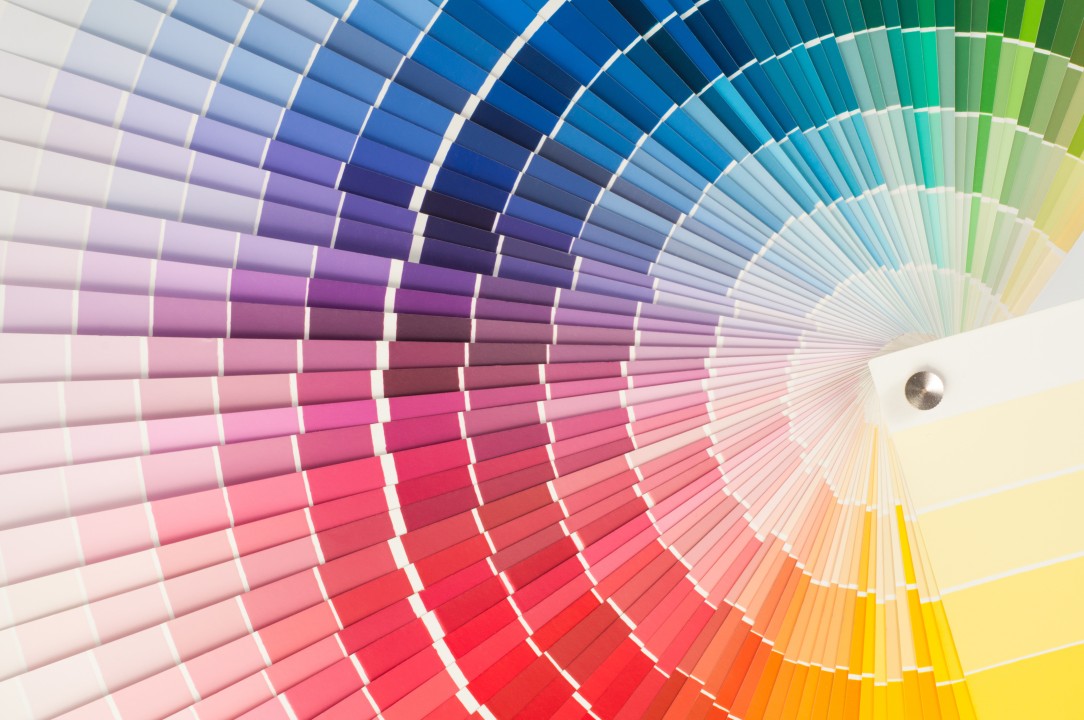
When it comes to product design, color has the power to influence user perception and behavior. In fact, up to 85% of consumers cite color as a primary reason for why they choose a product. Color can evoke emotions, set the tone, and communicate key messages without a single word. For product designers, understanding how to leverage the psychology of color is critical for creating experiences that resonate on a deeper level.

The Psychology of Color: Understanding Emotions and Actions

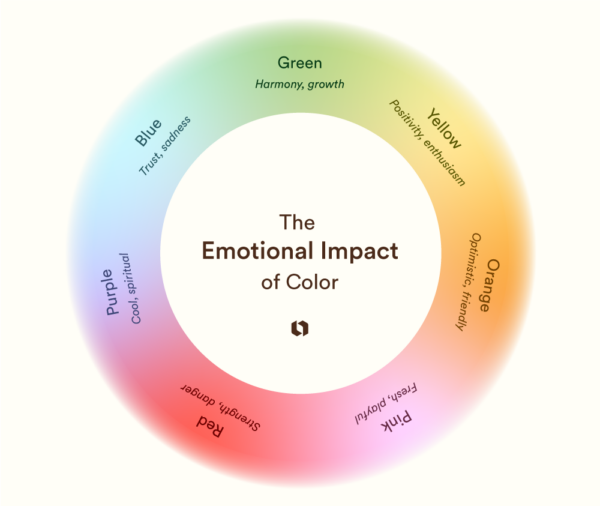
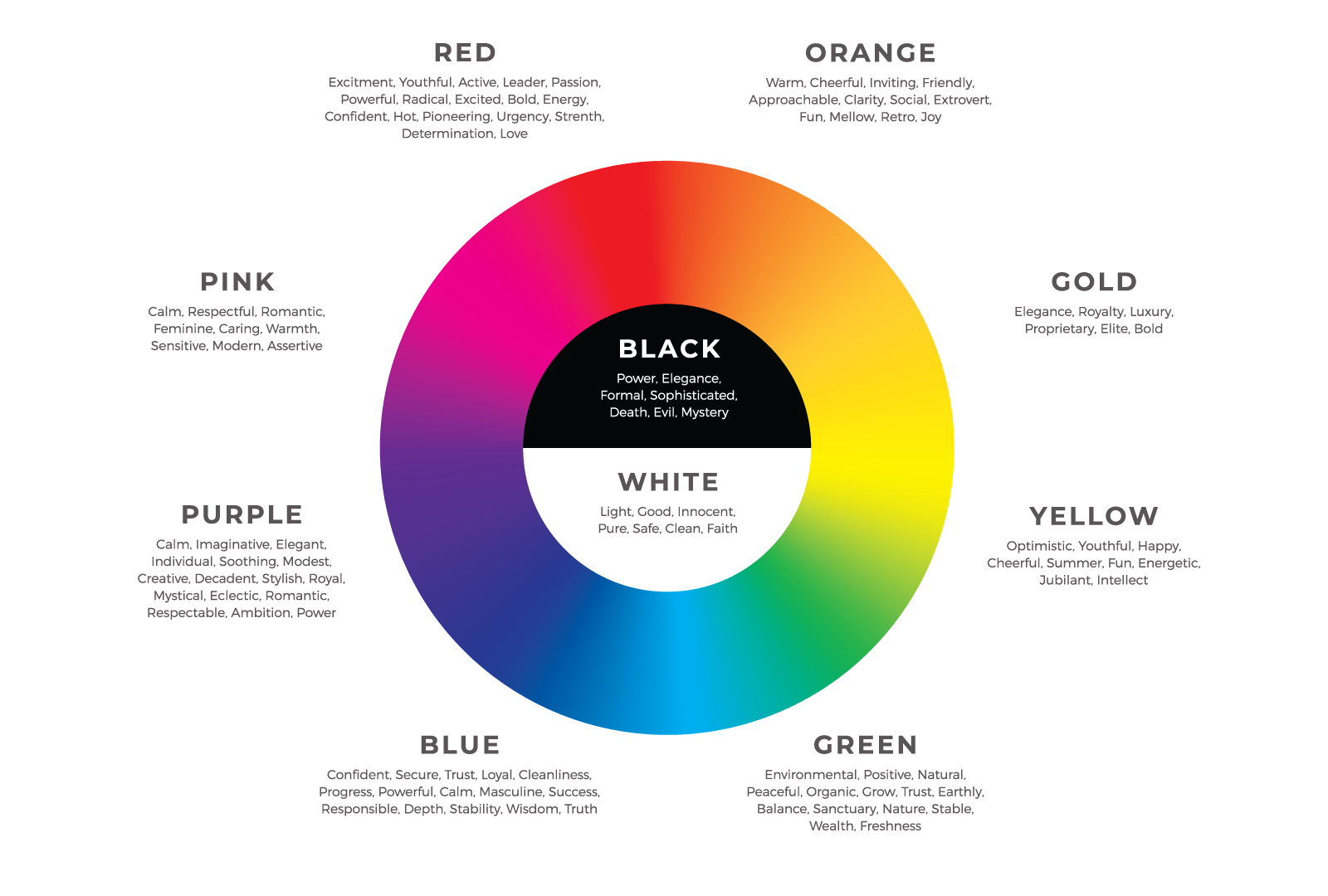
The first thing users notice about your product is its color. Colors set the mood and tone immediately, influencing users’ first impressions. Consider the emotional impact of different hues:

  • Warm tones (Red, Orange, Yellow): Energetic and attention-grabbing – ideal for products that need to convey urgency or action.
  • Cool tones (Blue, Green, Purple): Calming and trustworthy – perfect for products associated with health, finance, or technology.
  • Neutrals (Gray, Black, White): Minimalist and sophisticated – great for high-end or sleek product lines.

By aligning the emotional impact of color with your product’s purpose, you can create designs that connect with users from the moment they engage.

Guiding User Interaction with Color

Color plays a critical role in user experience by guiding interactions. It can highlight important features, buttons, and actions. For example:

  • Calls to Action (CTAs): Make sure your CTAs stand out by using bold, contrasting colors that draw attention.
  • Error States: Using red for error messages or warnings is a universal convention, signaling urgency or caution.
  • Success Messages: Green is often associated with success or completion, making it a popular choice for confirmation messages.

A well-designed product uses color intentionally to enhance user interactions, not overwhelm them.

Creating Visual Hierarchy with Color

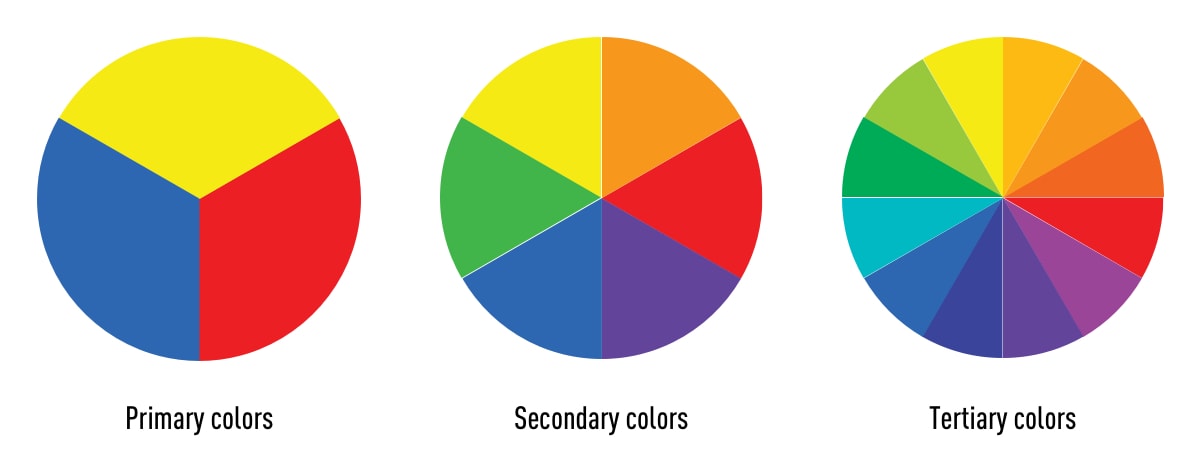
Effective color use helps to establish a visual hierarchy, ensuring that users know where to look and what to focus on. By combining complementary colors and using variations in tone, you can create contrast and highlight key elements of the design. For instance:

  • Accent Colors: Use these sparingly to draw attention to specific areas like primary buttons or important information.
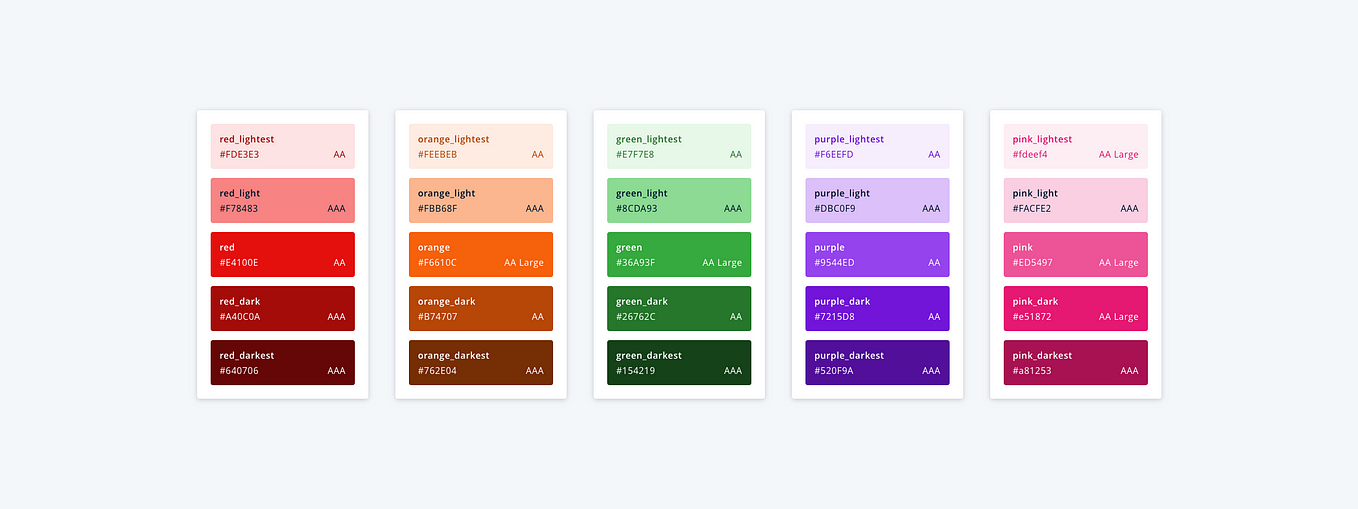
  • Background and Text Colors: Ensure there is enough contrast between your background and text colors to make content legible and accessible to all users.

Mastering this balance will help users navigate your product intuitively.

Designing for Accessibility: Color for All Users

One of the most important aspects of using color in design is ensuring accessibility. Not all users perceive color the same way, so it’s essential to design with inclusivity in mind:

  • Color Contrast: Ensure that text and background colors have enough contrast for readability.
  • Colorblind-Friendly Palettes: Avoid relying solely on color to convey information. Use texture, icons, or patterns to distinguish elements for those with color vision deficiencies.
  • Testing for Accessibility: There are various tools available to test the color accessibility of your design. This step ensures your product can be used by the widest possible audience.

Color and Branding: Building Identity Through Consistency

Color is a cornerstone of brand identity. Just think of the bright red of Coca-Cola or the iconic blue of Facebook. Consistency in color usage not only reinforces brand recognition but also helps solidify trust with users. In product design, this means using brand colors consistently across all touchpoints, from your UI elements to marketing materials. A cohesive color scheme builds familiarity and ensures your product feels like a natural extension of your brand.

Balancing Psychology, Usability, and Aesthetics

The best product designs strike a perfect balance between emotional impact, functionality, and visual appeal. By understanding the psychology of color and applying it effectively in your design choices, you can create products that not only look good but also feel good to use.

Whether you’re guiding user actions, creating a seamless hierarchy, or building brand identity, color is the unspoken language that makes it all possible. When used thoughtfully, it elevates the user experience, turning a functional product into something memorable and meaningful.


Storytelling in UX: Creating Narratives That Engage and Guide Users

Why Storytelling Matters in UX

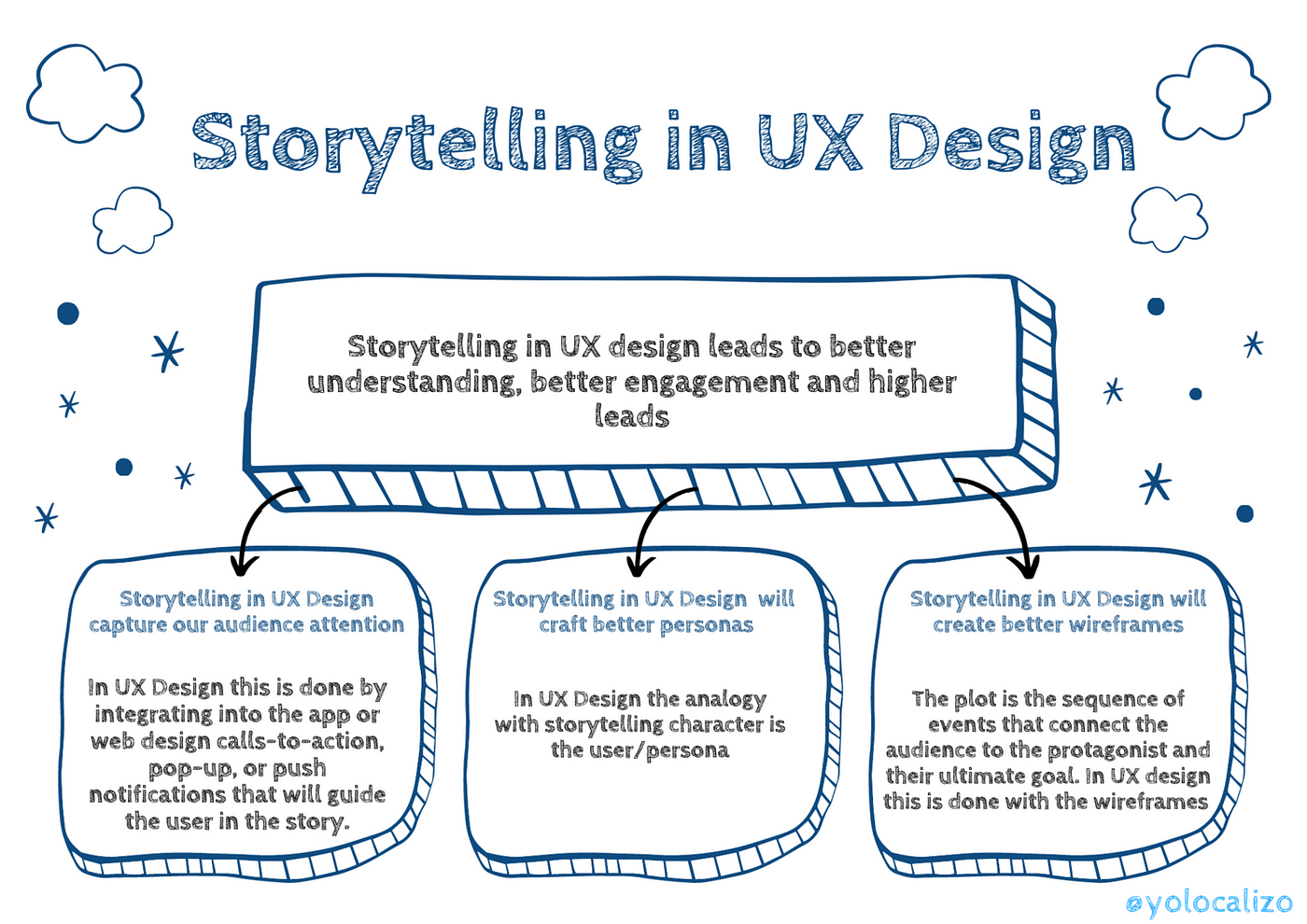
Storytelling is a fundamental part of human communication, helping us make sense of complex information and form emotional connections. In UX design, storytelling transforms mundane tasks into compelling experiences. It allows designers to craft journeys that evoke emotions, making the user feel like an integral part of the product’s narrative.

  • Storytelling helps guide users intuitively through complex processes.
  • It builds emotional connections that enhance user engagement and retention.
  • Narratives can humanize digital experiences, making products more relatable and memorable.

Example:

Consider the onboarding process of a fitness app. Instead of simply asking for details, the app creates a story by positioning the user as a “hero” embarking on a health journey. By framing features as “tools” for the user’s success, the app turns an otherwise standard setup process into a motivating story that keeps users engaged.

Elements of Storytelling in UX Design

Successful storytelling in UX relies on key narrative elements: characters, conflict, resolution, and setting. When these elements are infused into design, they help structure the user journey in a way that feels engaging and purposeful.

  • Characters: Users should see themselves as the main character, with the product acting as a guide (like Yoda in Star Wars!).
  • Conflict: Addressing user pain points and presenting challenges keeps users interested.
  • Resolution: The product offers solutions, showing users how it resolves their problems.
  • Setting: The UI and branding set the tone, much like a story’s world-building. Visuals, typography, and language all contribute to the mood of the user journey.

Example:
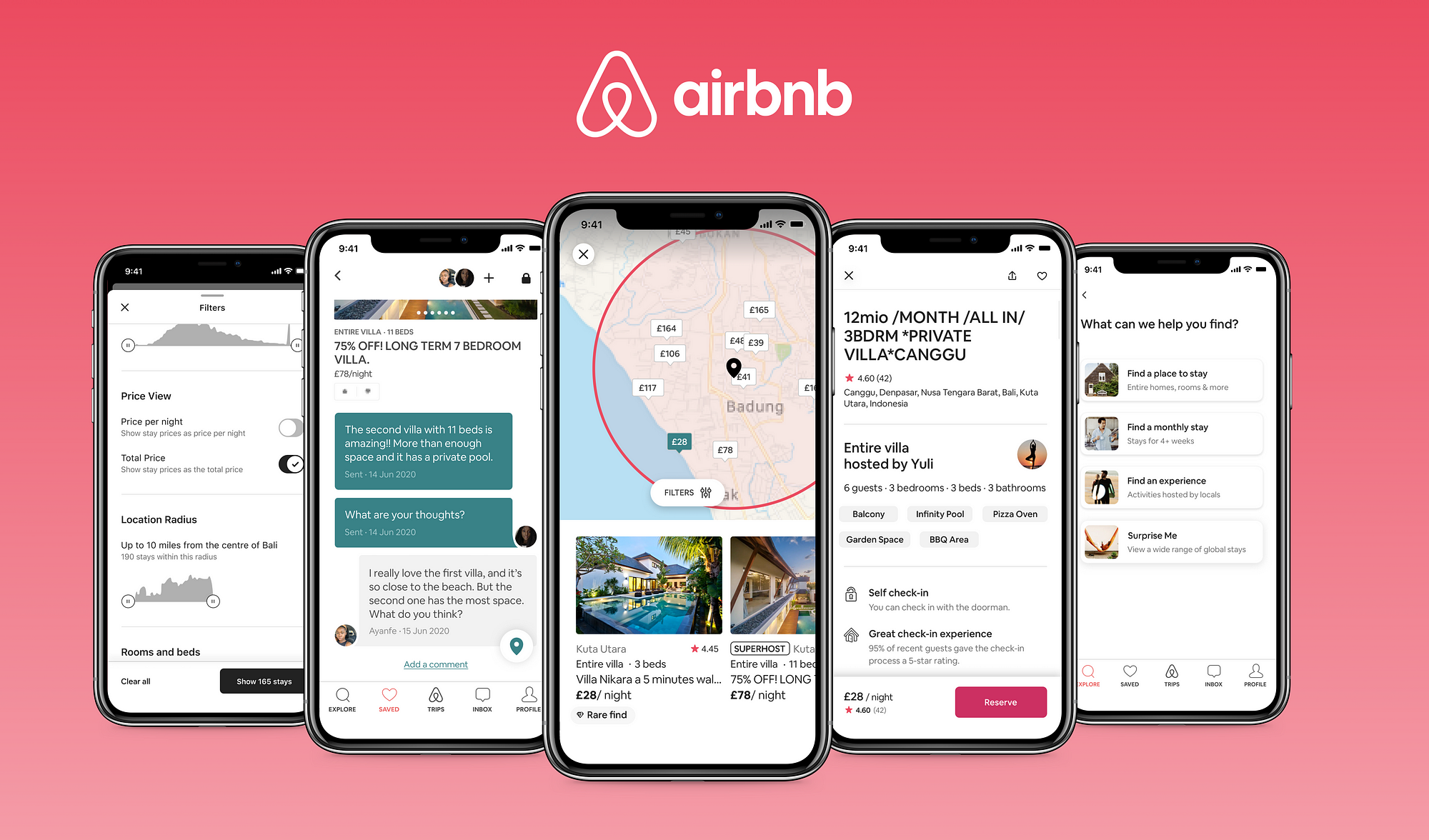
Airbnb’s website is a masterclass in storytelling. It focuses on the user as the main character—whether they’re a traveler seeking adventure or a host offering their home. The conflict is solved by matching travelers to their ideal destinations and homes, all while maintaining an aesthetically cohesive “setting” that reflects the brand’s warm, inviting ethos.

Practical Ways to Incorporate Storytelling into UX Design

Storytelling doesn’t need to be grandiose; small, thoughtful details can make a big difference in creating a narrative for your users. Here are some practical ways to weave storytelling into your designs:

  • User Journeys: Map out the user’s story arc. This can be as simple as identifying the starting point (awareness), the challenge (using the product), and the resolution (achieving their goal).
  • Microcopy and Visuals: Use microcopy to convey the narrative. Friendly, conversational language and storytelling visuals (e.g., illustrations, animations) make the journey more personal and relatable.
  • Progress Indicators: Show users how far they’ve come and what’s left to achieve, just like chapters in a story. It reassures them that they are progressing and motivates them to reach the “end.”
  • Onboarding and Tutorials: Tell a story during onboarding by guiding users through an experience that gradually introduces them to your product. Focus on small wins and success milestones along the way.

Example:
Duolingo, a language-learning app, excels in storytelling by incorporating gamification and progress tracking. The app positions learning as a challenge, with users achieving small victories (badges, rewards) as they progress through lessons. This creates an engaging narrative that keeps users motivated to continue their learning journey.

The Emotional Impact of Storytelling

At its core, storytelling is about emotion. Successful UX storytelling makes users feel something, whether it’s joy, excitement, empathy, or relief. By designing experiences that evoke specific emotions, you create a stronger connection between the user and the product.

  • Emotional engagement increases user satisfaction and loyalty.
  • A well-told story encourages users to spend more time interacting with your product.
  • Users are more likely to recommend and remember products that emotionally resonate with them.

Example:
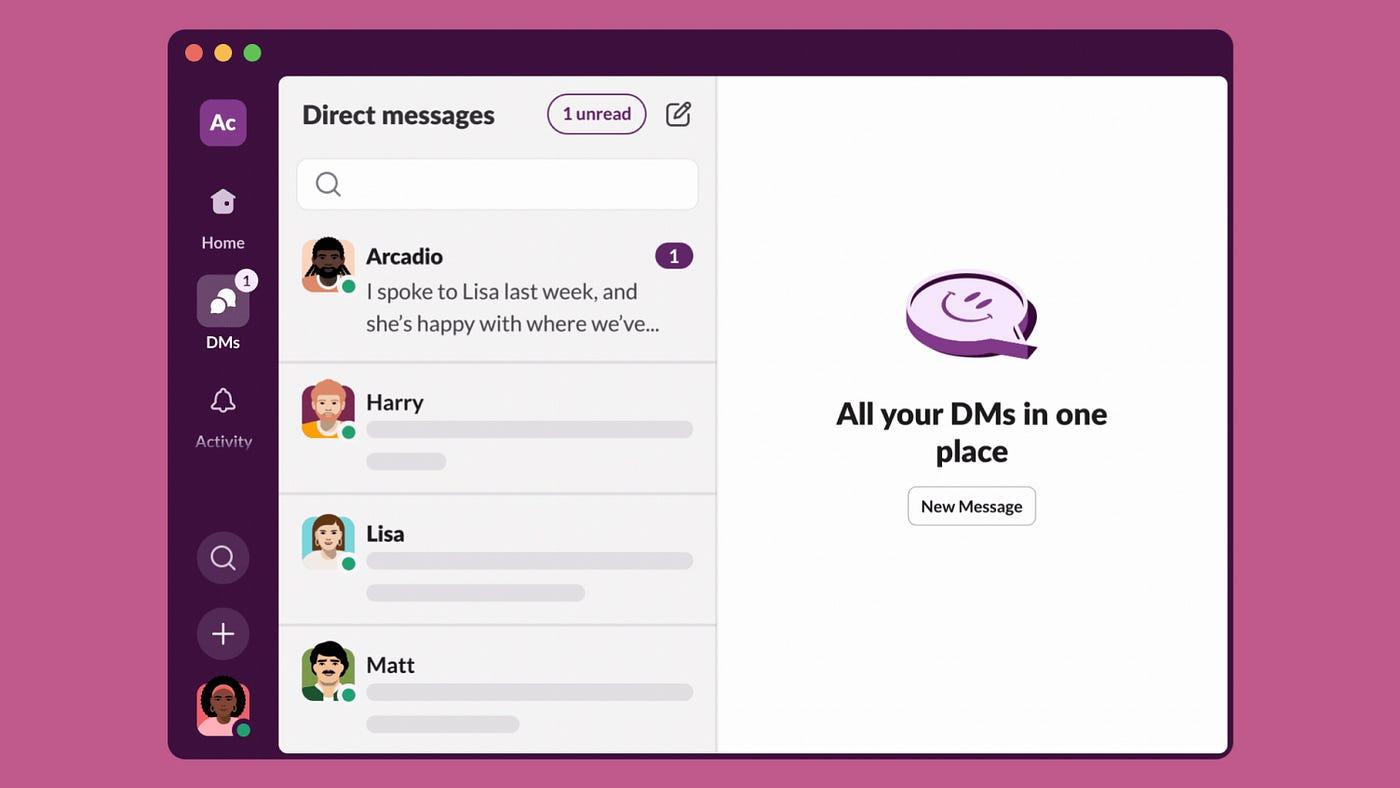
Slack, the workplace communication tool, humanizes its product with playful, humorous messaging. By infusing their product with warmth and personality, Slack creates an emotional bond with users, transforming what could be a dry, corporate tool into something people genuinely enjoy using.